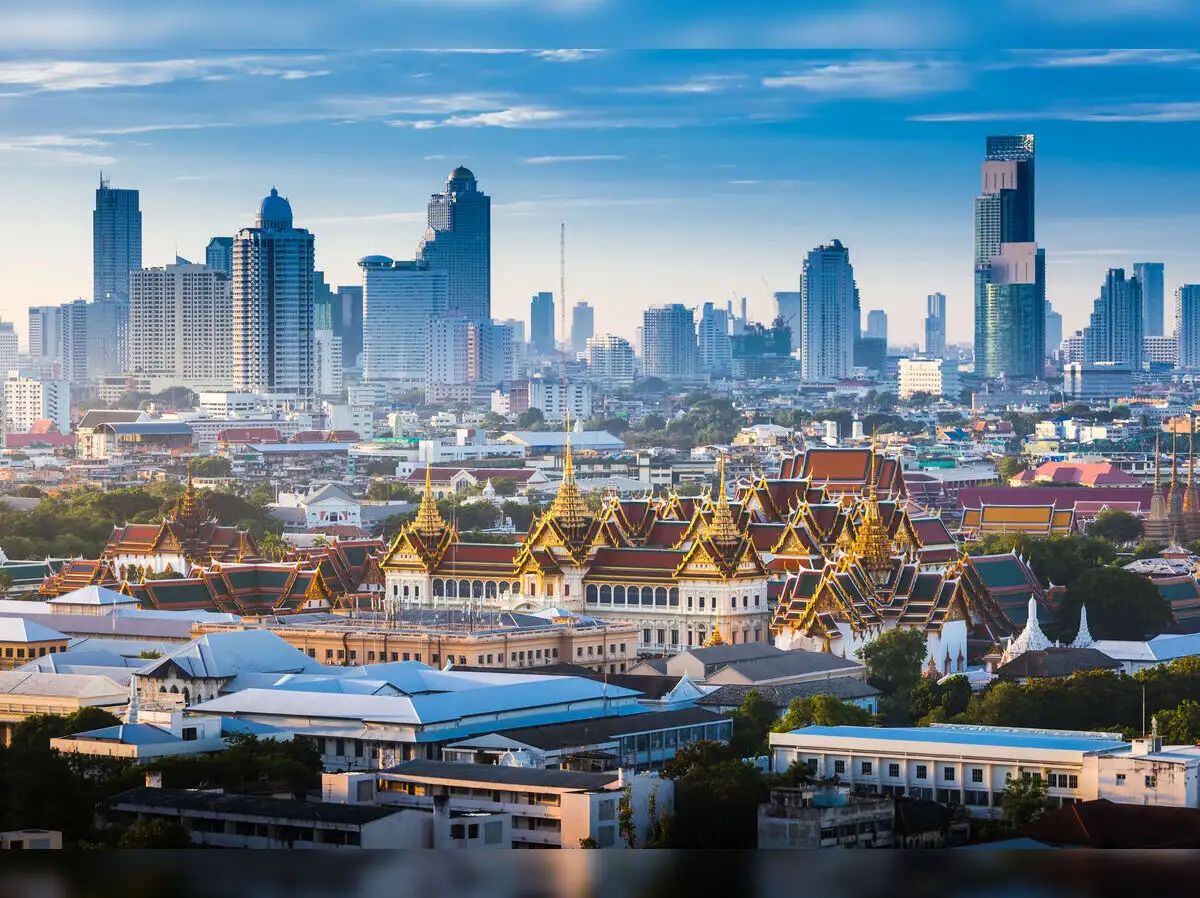
The idea of living in Thailand – the warmth of its people, the tantalizing aroma of street food, the allure of ancient temples and pristine beaches – often begins as a compelling dream. But for many, that dream solidifies into a tangible desire: to truly embrace the expat life in the Land of Smiles. While the journey of Moving to Thailand to a new country can seem daunting, this guide aims to simplify the process, breaking down the essential steps to make your relocation to Thailand a successful and stress-free reality.
Becoming an expat in Thailand is a transformative experience. It’s about more than just changing your address; it’s about adapting to a new culture, navigating unfamiliar systems, and building a new community. With careful planning and the right information, you can confidently make the leap and start enjoying your new Thai chapter.
1. Clarify Your Purpose: The Foundation of Your Move
Before any practical steps, solidify why you want to move to Thailand and what kind of life you envision. This clarity is crucial as it dictates your visa pathway.
- Your Driving Force: Are you moving for retirement, a job opportunity, to establish a business, for education, or simply for a change of pace and a new cultural experience?
- Ideal Location: Thailand offers immense diversity. Do you picture the bustling energy of Bangkok, the cultural richness of Chiang Mai, the laid-back island vibes of Phuket or Koh Lanta, or a quieter, more rural setting? Each location offers a different lifestyle, cost of living, and expat community.
- Financial Assessment: Conduct a realistic evaluation of your financial resources. Research living costs specific to your desired area, factoring in initial moving expenses, visa fees, health insurance, and a robust emergency fund.
2. The Visa: Your Essential Passport to Expat Life
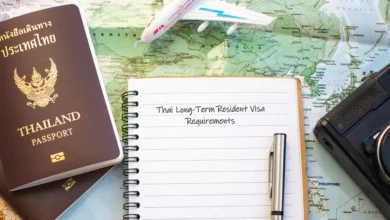
This is the single most critical element of your move. You cannot simply arrive as a tourist and expect to transition to a long-term resident. Obtaining the correct long-term visa before you move is almost always a strict requirement.
- Retirement Visa (Non-Immigrant O-A): Popular for individuals aged 50 and above. Requires proof of financial capability (e.g., 800,000 THB in a Thai bank account or 65,000 THB/month income).
- Work Visa (Non-Immigrant B): Necessary if you have secured employment with a Thai company, plan to start your own business, or teach. This visa requires sponsorship from a Thai entity and is a prerequisite for obtaining a Work Permit.
- Education Visa (Non-Immigrant ED): For students enrolling in accredited Thai language schools, universities, or other long-term courses (e.g., Muay Thai).
- Dependent Visa (Non-Immigrant O): If you are married to a Thai national, have a Thai child, or are a dependent of a long-term visa holder.
- Thailand Privilege Card (Elite Visa): A premium, long-term (5 to 20 years) residency option. It involves a one-time membership fee and offers significant convenience without traditional visa requirements.
Simplified Action: Identify the visa that best suits your purpose. Then, research the specific requirements on the website of the Royal Thai Embassy or Consulate in your home country (or country of legal residence) and apply well in advance of your desired moving date. Do not cut corners here.
3. Financial Preparedness: Beyond the Tourist Budget
Living as an expat requires a solid financial foundation that goes beyond vacation spending.
- Detailed Budgeting: Create a comprehensive monthly budget covering rent, utilities, food (differentiating between local and imported groceries/dining), transportation, internet, mobile phone, and entertainment. Factor in initial setup costs like security deposits for rentals and potentially furnishing a home.
- Banking in Thailand: Once you have a long-term visa, opening a Thai bank account becomes straightforward. This simplifies daily transactions and bill payments. Research international money transfer services to find the most cost-effective way to move funds from your home country.
- Tax Considerations: This is complex and critical. Understand your tax residency status in both your home country and Thailand. Thailand generally operates on a territorial taxation system (income brought into or sourced within Thailand is taxed). It is highly advisable to seek professional international tax advice to ensure compliance and avoid potential double taxation.
- Emergency Funds: Maintain a substantial emergency fund (ideally 3-6 months of living expenses, plus extra for unforeseen travel or medical needs) that is readily accessible in both your home currency and Thai Baht.
4. Healthcare: A Top Priority for Expat Well-being
Thailand boasts excellent medical facilities, especially in major cities, but securing your health coverage is paramount for a worry-free expat life.
- International Health Insurance: This is often a visa requirement. Even if not, it’s strongly recommended. Ensure your policy provides comprehensive coverage in Thailand, including emergency medical evacuation.
- Local Healthcare Providers: Research reputable hospitals and clinics in your chosen area. Many cater to expats and offer English-speaking staff.
5. Finding Your Home: Accommodation Simplified
Plan both your initial arrival accommodation and your long-term living arrangements.
- Initial Temporary Stay: Book a short-term rental (hotel, serviced apartment, Airbnb) for your first few weeks. This gives you a comfortable base while you actively search for a long-term place.
- Long-Term Rentals: Explore options through reputable local real estate agents (many are fluent in English) or trusted online property portals. Typical lease terms are 6-12 months, and you’ll generally pay a security deposit (1-2 months’ rent).
- Ownership: Foreigners generally cannot own land in Thailand, but they can own condominium units freehold. This is a common choice for those seeking a truly permanent residence.
6. Seamless Integration: Connecting to Your New Life
Successfully embracing expat life goes beyond paperwork; it’s about cultural adaptation and building community.
- Communication & Language: Get a local SIM card immediately. While English is spoken in tourist hubs, learning basic Thai phrases will significantly enhance your daily interactions and integration. Consider enrolling in a language school – an excellent way to meet new people.
- Cultural Immersion: Educate yourself on Thai customs and etiquette (e.g., respect for the monarchy, proper temple attire, removing shoes indoors, avoiding public displays of anger). Embrace the incredible local cuisine.
- Community Building: Seek out expat groups and online forums for advice, support, and social connections. Crucially, also make an effort to connect with locals; their warmth and hospitality are a defining characteristic of Thailand.
- Local Transport: Understand local transport options (Grab, taxis, public transit in cities). If you plan to drive, obtain an International Driving Permit and eventually a Thai driving license, and be prepared for different driving habits.
Making the move to Thailand to embrace the expat life is an exciting, enriching journey. By simplifying the process through careful planning, understanding the essential requirements, and approaching your new life with an open mind, you can confidently transform your dream into a thriving reality in the captivating Land of Smiles. Sawasdee krap/ka!